



Dangerous wildlife and a mysterious otherworldly antagonist are constant threats. Take up arms and protect your homestead.

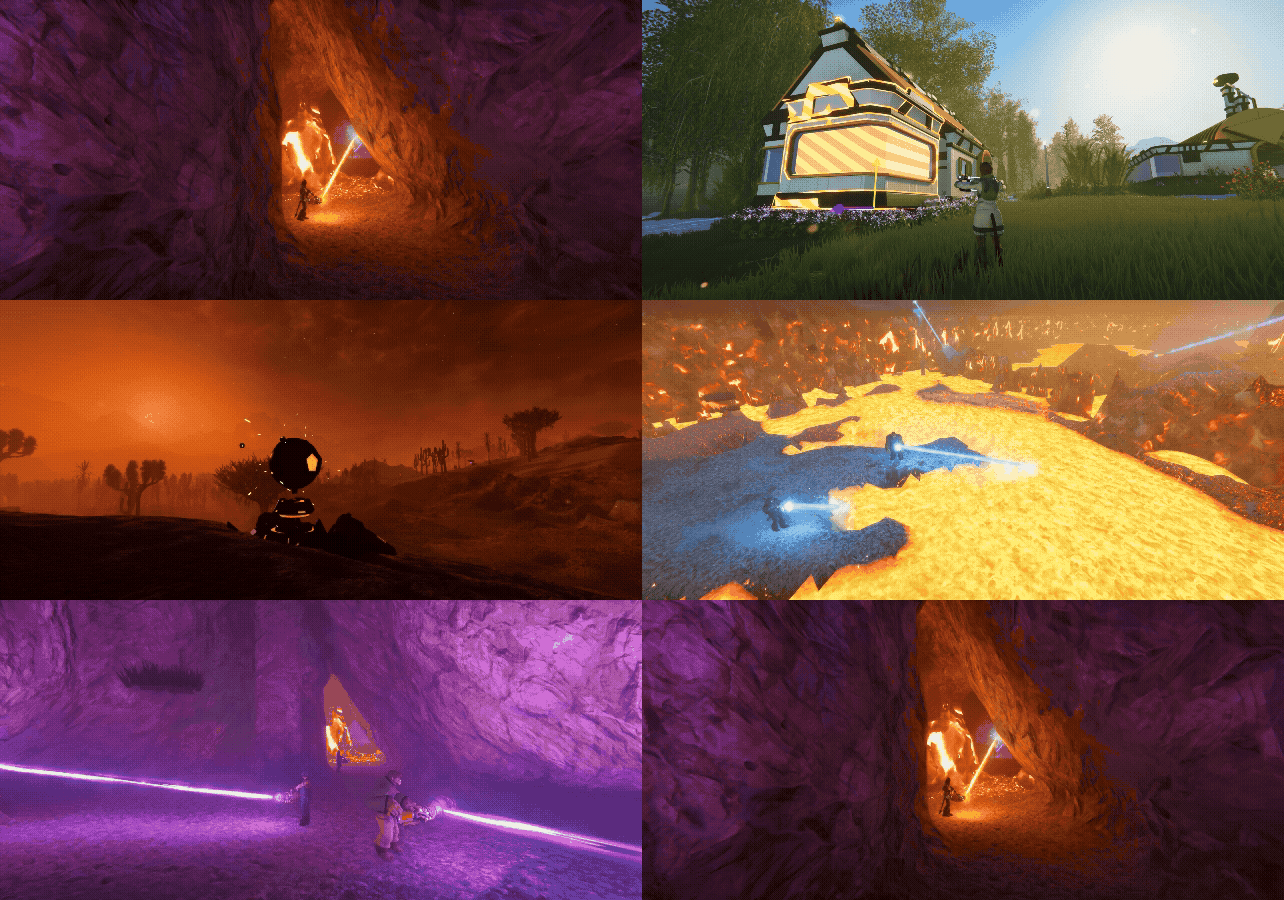
Explore diverse professions with detailed skill trees to influence the galactic economy. Combine and change professions to keep your experience fresh and exciting.

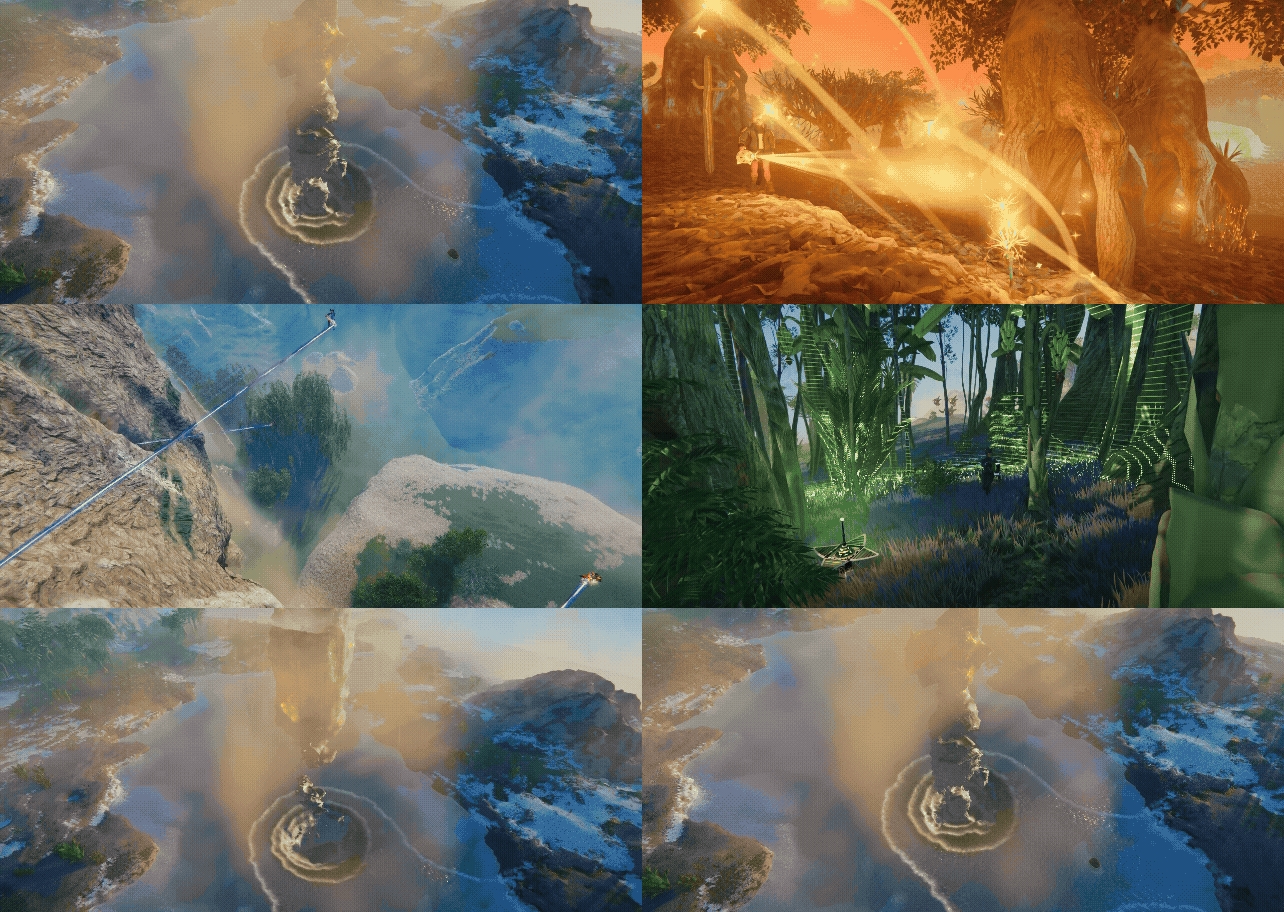
You can carve tunnels through mountains, burn, terraform, and reshape entire planets. Build handcrafted cities on your own or with a community of settlers.
See What Gaming Publications Are Saying
“Stars Reach could be the second coming of the sandbox MMO, with player-built cities and 40+ Star Wars Galaxies-style professions to give me hope”
Harvey Randall,
PC Gamer
Jun 9, 2026
“Hands-On Preview: Stars Reach Represents The Dream MMOs Have Promised For Decades, And I Can’t Contain My Excitement”
Joseph Bradford,
MMORPG
June 17, 2026
“And while it’s fairly clear that what I saw of Stars Reach was early on, it’s undeniable the vision and hope that’s there. ”
Brendan Frye,
CG Magazine
June 12, 2026

Help construct the galactic trade network and reap the fruits of your labor, whether you’re a frontier ranger, artisan, or cartographer, every profession is vital to interstellar trade.


Random drops are all well and good, but the best gear is crafted. Harvest or purchase rare resources and become one of the galaxy’s premier artisans.


Join your friends on a grand adventure, claim a planet for your own, build a government, and create the trade hub, tourist destination, or manufacturing world of your dreams.

- Protoyping Status
- Core Tech Development
- Content Creation Tools
- Game System Development
- Pre Alpha Testing Begins
- 24/7 Playtest
- Early Access
-


Accolades

MMOBomb’s 10 Most Anticipated MMOs of 2025
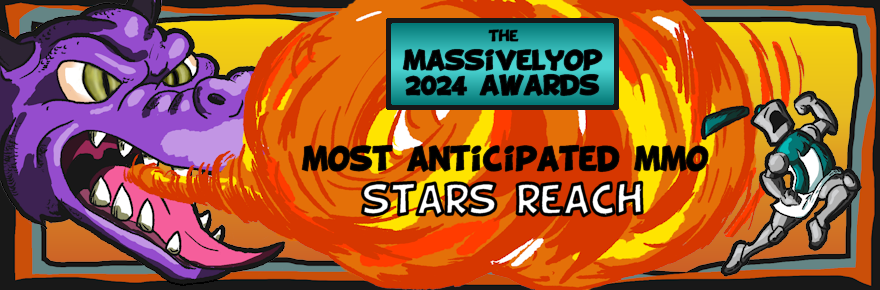
MassivelyOP’s 2024 Awards: Most Anticipated MMO
Ready to Play?
